Hydraulic vs Electric Control Loading Systems
Understanding the Differences in Simulation Control Technology
Control loading systems are used to replicate realistic forces in simulation environments, such as aircraft controls and vehicle interfaces. These systems are typically powered by either hydraulic or electric (servo-driven) technologies.
Each approach has distinct advantages and limitations depending on the application, performance requirements, and long-term operational goals.
What Is Hydraulic Control Loading?
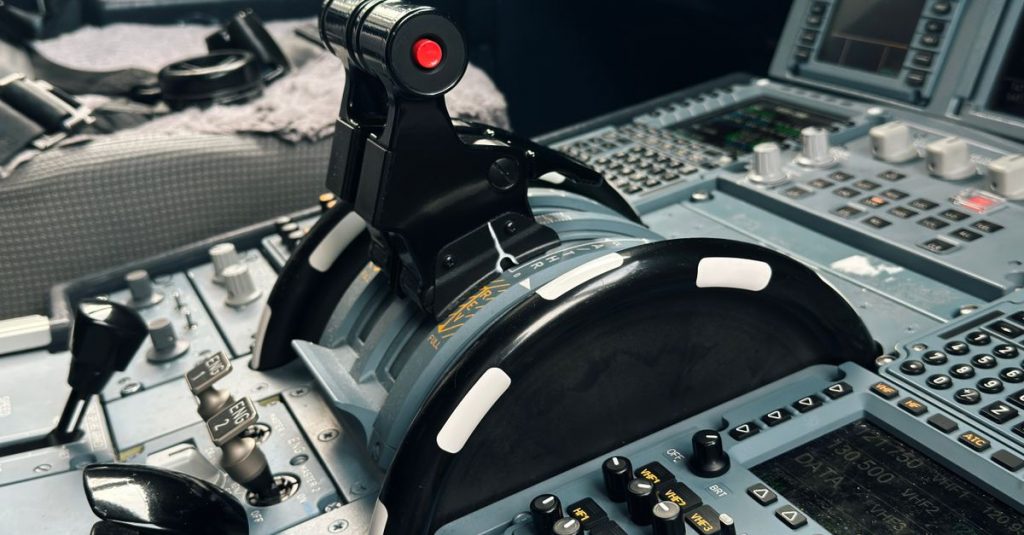
Hydraulic control loading systems use pressurized fluid to generate force and resistance on simulator controls.
Key Characteristics:
- High force capacity
- Traditionally used in older or legacy simulation systems
- Requires hydraulic pumps, fluid systems, and maintenance infrastructure
Hydraulic systems have historically been used in high-load applications, particularly in early flight simulation platforms.
What Is Electric Control Loading?
Electric control loading systems use servo-driven motors and advanced control electronics to generate force feedback.
Key Characteristics:
- Precise, programmable force control
- All-electric operation (no hydraulic fluid)
- Integrated with modern control systems and software
Electric systems are now widely used in modern simulation environments due to their accuracy, reliability, and efficiency.
Why the Industry Is Moving Toward Electric Systems
Modern simulation systems increasingly rely on electric control loading due to:
- Improved accuracy and responsiveness
- Reduced maintenance requirements
- Lower total cost of ownership
- Easier system integration
- Long-term reliability
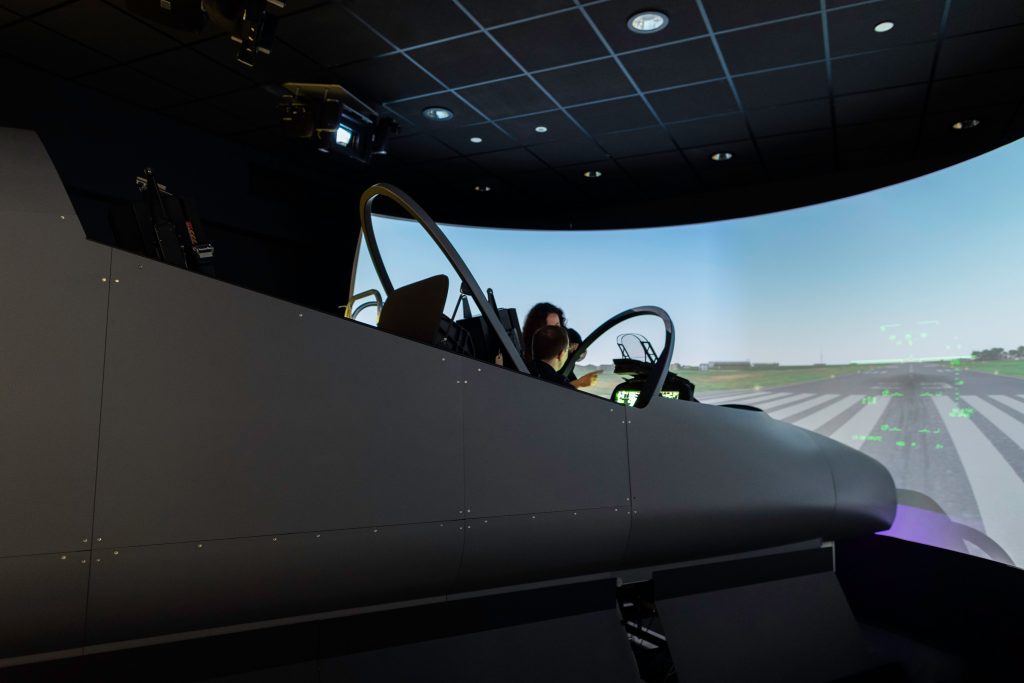
Electric systems are particularly well-suited for certification-level simulation, where consistency and repeatability are critical.
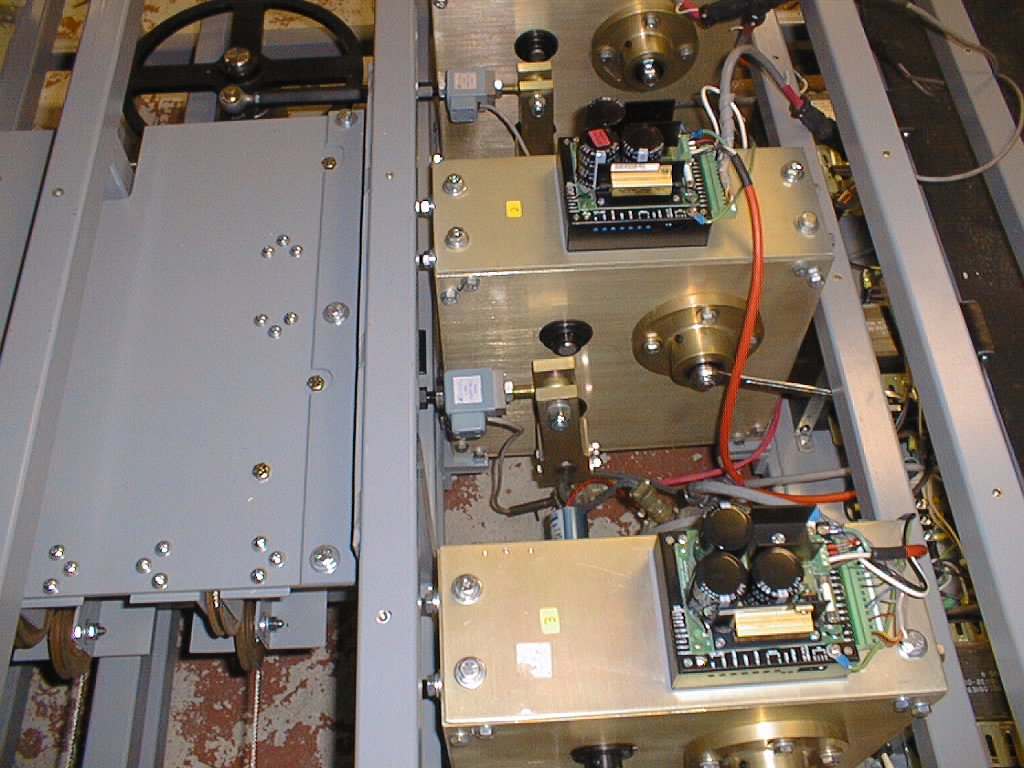
Key Differences: Hydraulic vs Electric
Precision and Control
Hydraulic Systems
- Less precise at low force levels
- Can exhibit drift or variability over time
- More difficult to fine-tune dynamically
Electric Systems
- High precision and repeatability
- Fine control across full force range
- Real-time response to simulation inputs
Maintenance Requirements
Hydraulic Systems
- Require ongoing maintenance of pumps, seals, and fluid systems
- Susceptible to leaks and contamination
- Higher long-term maintenance burden
Electric Systems
- Minimal maintenance requirements
- No fluids or leak risk
- Designed for long-term operation
System Complexity
Hydraulic Systems
- Require external infrastructure (pumps, reservoirs, plumbing)
- Larger system footprint
- More complex installation
Electric Systems
- Self-contained systems
- Simplified installation and integration
- Reduced system complexity
Reliability and Longevity
Hydraulic Systems
- Performance can degrade over time due to wear and fluid issues
- Requires regular servicing to maintain performance
Electric Systems
- Designed for long-term, stable operation
- Consistent performance over extended use
- Reduced downtime
Environmental and Operational Factors
Hydraulic Systems
- Requires fluid handling and disposal
- Can be affected by temperature and environmental conditions
Electric Systems
- Clean operation with no fluids
- More environmentally friendly
- Suitable for a wider range of environments
Comparison Overview
| Feature | Hydraulic Control Loading | Electric Control Loading |
|---|---|---|
| Precision | Moderate | High |
| Maintenance | High | Low |
| System Complexity | High | Low |
| Reliability | Moderate | High |
| Clean Operation | No | Yes |
| Infrastructure | Extensive | Minimal |
Servos & Simulation Approach
Servos & Simulation specializes in servo-driven electric control loading systems designed for:
- High-precision force feedback
- Integration with advanced simulation platforms
- Long-term reliability in demanding environments
- Certification-level performance
Our systems are engineered to deliver accurate, repeatable control feel without the complexity and maintenance burden of hydraulic systems.
FAQ
Electric control loading systems are generally preferred for modern simulation due to their higher precision, lower maintenance, and improved reliability.
Yes, primarily in legacy systems or applications requiring very high force output, but they are less common in new installations.
Yes. Modern servo-driven systems provide highly accurate and responsive force feedback that closely replicates real-world control behavior.
In many cases, existing hydraulic systems can be replaced or upgraded with electric control loading systems, improving performance and reducing maintenance.
Electric systems do not require hydraulic fluid, pumps, or seals, eliminating common sources of wear, leaks, and service requirements.
Contact our engineering team with your simulator type, current system configuration, and project goals. We'll evaluate your requirements and recommend the best path forward.